
DIY Synthetic Grass Supply for Wollongong Homeowners
Complete DIY kits — turf, underlay, jointing tape, adhesive, infill, fixings — in one order, with real advice from people who've laid it themselves.
- Licensed & Insured
- Free, No-Obligation Quotes
- Local Illawarra Installers
Get a Free Quote
What Do You Need to Install Artificial Grass Yourself?
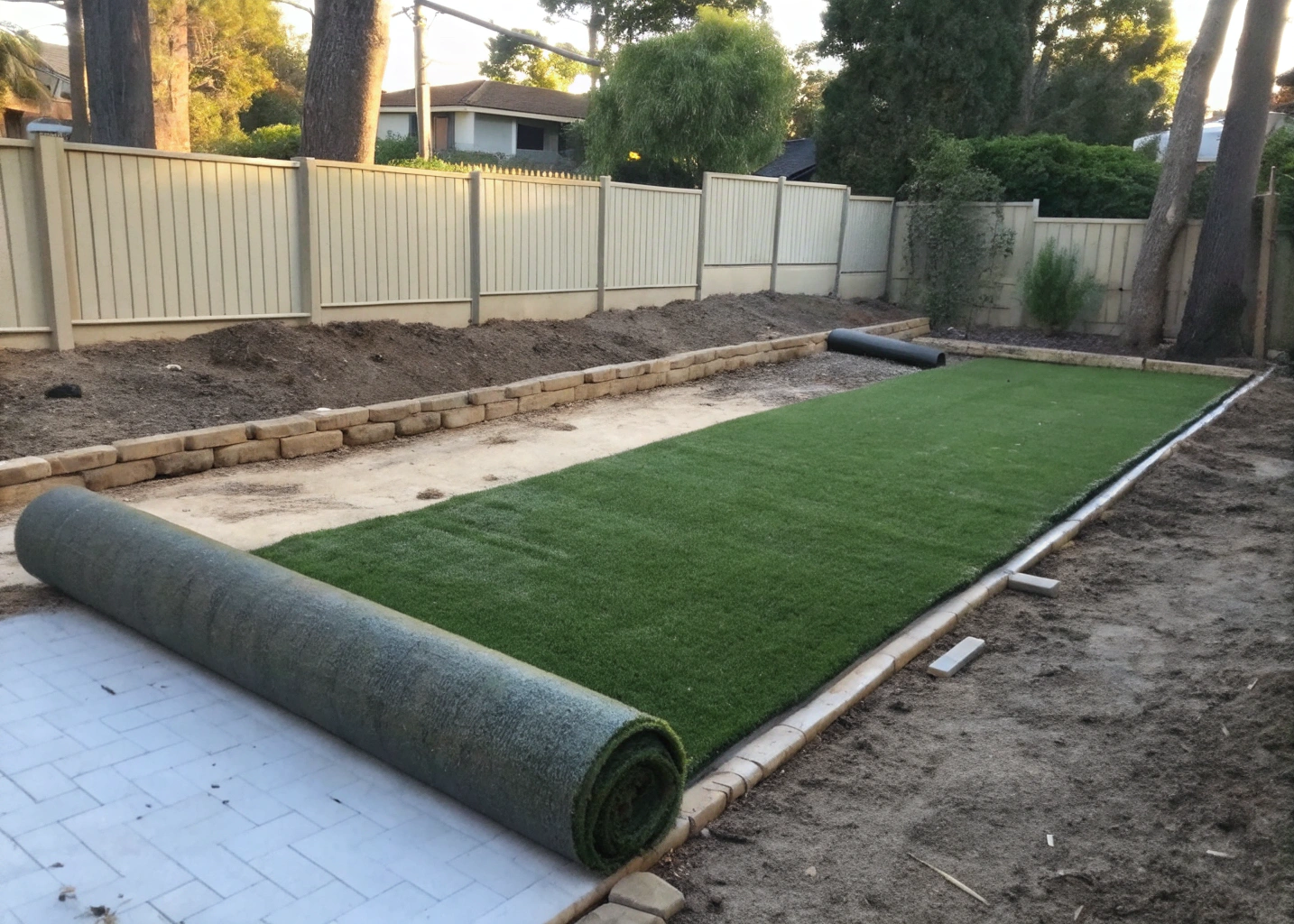
A complete DIY synthetic grass install requires materials across four categories:
Turf & Base
- Synthetic grass roll (area + 10% cutting allowance)
- Geotextile weed membrane and turf underlay
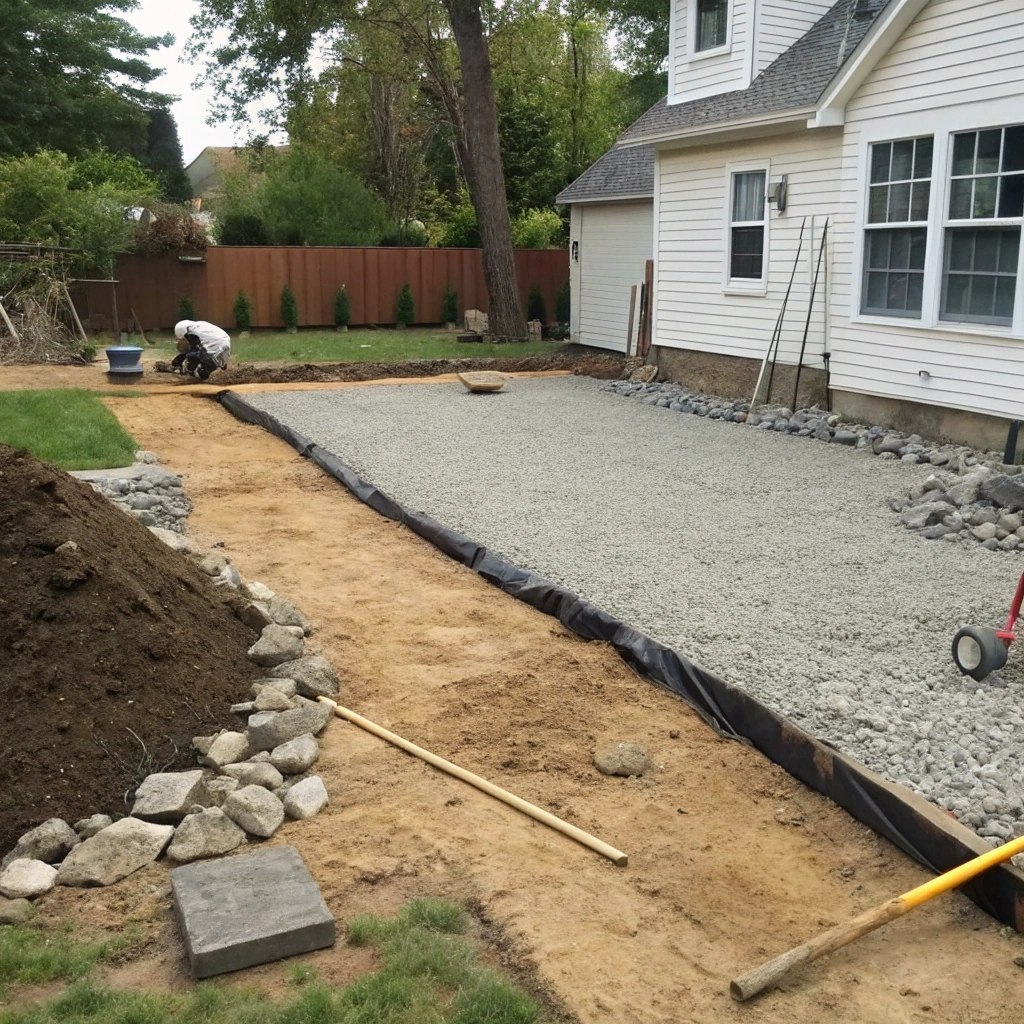
- Road base compacted to 70–80mm; crusher dust top layer
Accessories & Infill
- Jointing tape and turf adhesive for seams
- Galvanised turf pegs or U-pins
- Silica sand infill (zeolite for pet areas)
Tools
- Plate compactor (hire locally in Wollongong)
- Heavy-duty utility knife, shovel, rake, stiff broom
Clay soils common across Figtree, Dapto, and Farmborough Heights require deeper excavation and compaction than sandier coastal sites — factor this into your base prep before ordering.

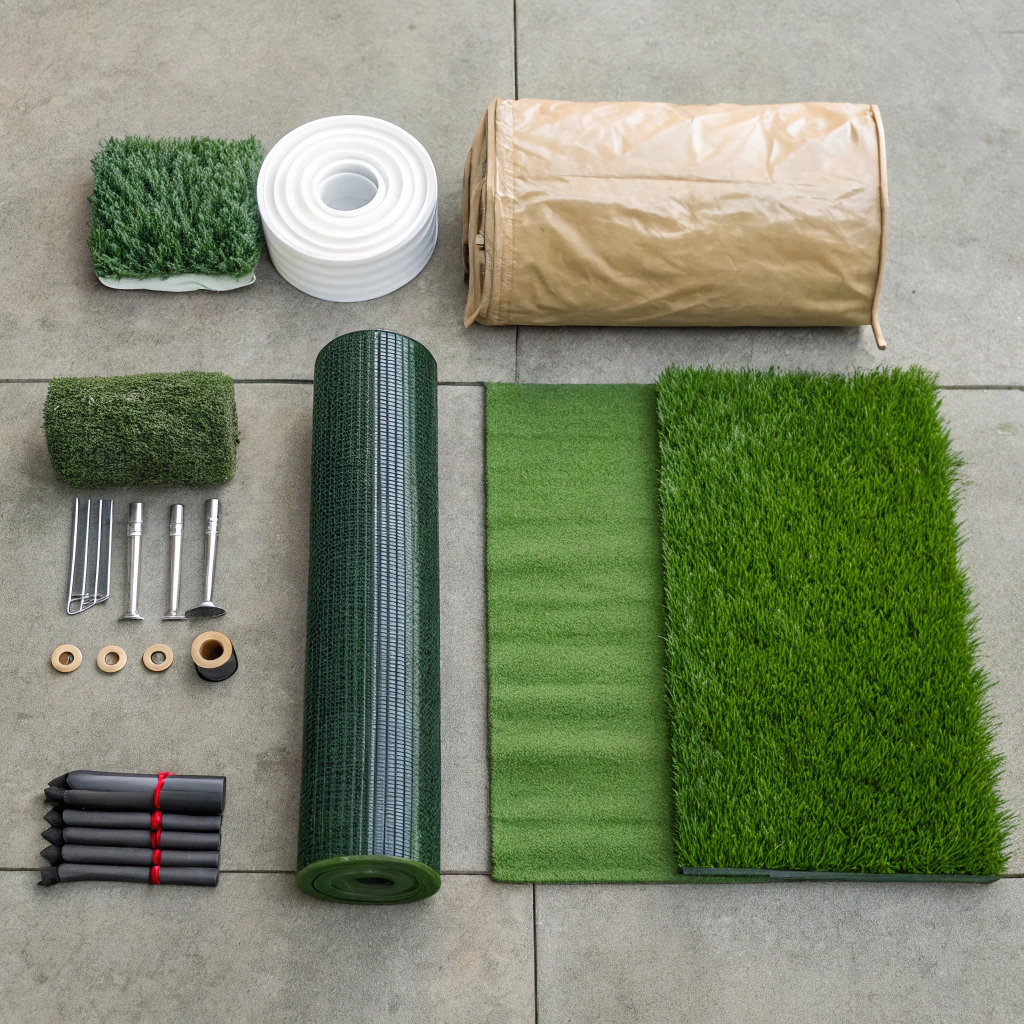
What's Actually in a Complete DIY Synthetic Grass Kit
A proper supply order covers four areas. Here's what goes into each one.
Turf & Underlay
- Synthetic grass roll — your primary surface layer
- Geotextile weed membrane — blocks weeds without restricting drainage
- Turf underlay — cushioning layer between membrane and turf
Base Materials
- Road base — compacted aggregate, 70–80mm depth
- Crusher dust — fine top layer for a smooth laying surface
Joining & Fixing Accessories
- Jointing tape — holds seams flat and invisible
- Turf adhesive — bonds seams permanently
- Galvanised turf pegs or U-pins — secures perimeter edges
- Edging bender board — defines and holds the border
Infill Options
- Silica sand — standard infill for blade support and weight
- Zeolite — neutralises odour in pet areas
Everything above comes in a single order from us — no chasing multiple suppliers, no surprises on install day.
Getting the Base Right: The Step Most DIY Projects Get Wrong
The sub-base is where most DIY synthetic grass jobs fall apart — and it's the hardest thing to fix once the turf is down.
We recommend excavating to 70–100mm, laying a compactable aggregate base, and compacting in layers rather than all at once.
In Wollongong's clay-heavy inland suburbs — Figtree, Dapto, Farmborough Heights — that clay holds water and stays soft longer than most people expect. Skimping on excavation depth or compaction effort shows up fast.
Get the base right and everything above it performs the way it should. Rush it and no amount of quality turf will save the result.
How to Measure and Order Without Wasting Product
Getting the measurement right before you order saves money and avoids a second trip. Here's how we walk customers through it.
Not sure how much to order? Bring your measurements to our Wollongong showroom or send us a photo — we'll calculate it for you before you commit.
Measure the Area
Length x width of the space. For irregular shapes, break it into rectangles and add them together. Round up — never down.
Account for Roll Width
Synthetic grass comes in standard roll widths, typically 3.66m or 4m. Your layout needs to work with those widths, not against them. A space that's 4.5m wide means two rolls — plan for that early.
Calculate Wastage
Add a minimum 10% to your total area for cuts, joins, and any pattern alignment. Irregular shapes or tight corners need more.
Confirm Before You Order
This is where mistakes happen. Before placing an order, send us your measurements or bring a sketch — we'll check the numbers and confirm exactly what you need.
Choosing the Right Turf for Your Wollongong Project
Picking the right turf comes down to a few honest questions — not a product catalogue.
Pile Height
Shorter piles (25–30mm) suit high-traffic areas and look neat with minimal maintenance. Longer piles (35–40mm) feel softer underfoot and work well in backyard spaces where comfort matters more than durability.
Blade Shape & Colour
Flat blades tend to flatten over time. C-shaped or S-shaped blades spring back better and hold their look longer. Colour-wise, a mix of green tones with a thatch layer reads as natural — single-tone bright green is what gives synthetic grass a bad reputation.
Use Case
- Kids and families — prioritise softness, durability, and a non-abrasive blade
- Pets — shorter pile, good drainage, zeolite-compatible infill
- Aesthetics and entertaining — longer pile, natural colour blend, smooth finish
Wollongong Soil and Climate: What It Means for Your DIY Install
Wollongong isn't one soil type — and that matters when you're planning a synthetic grass install.
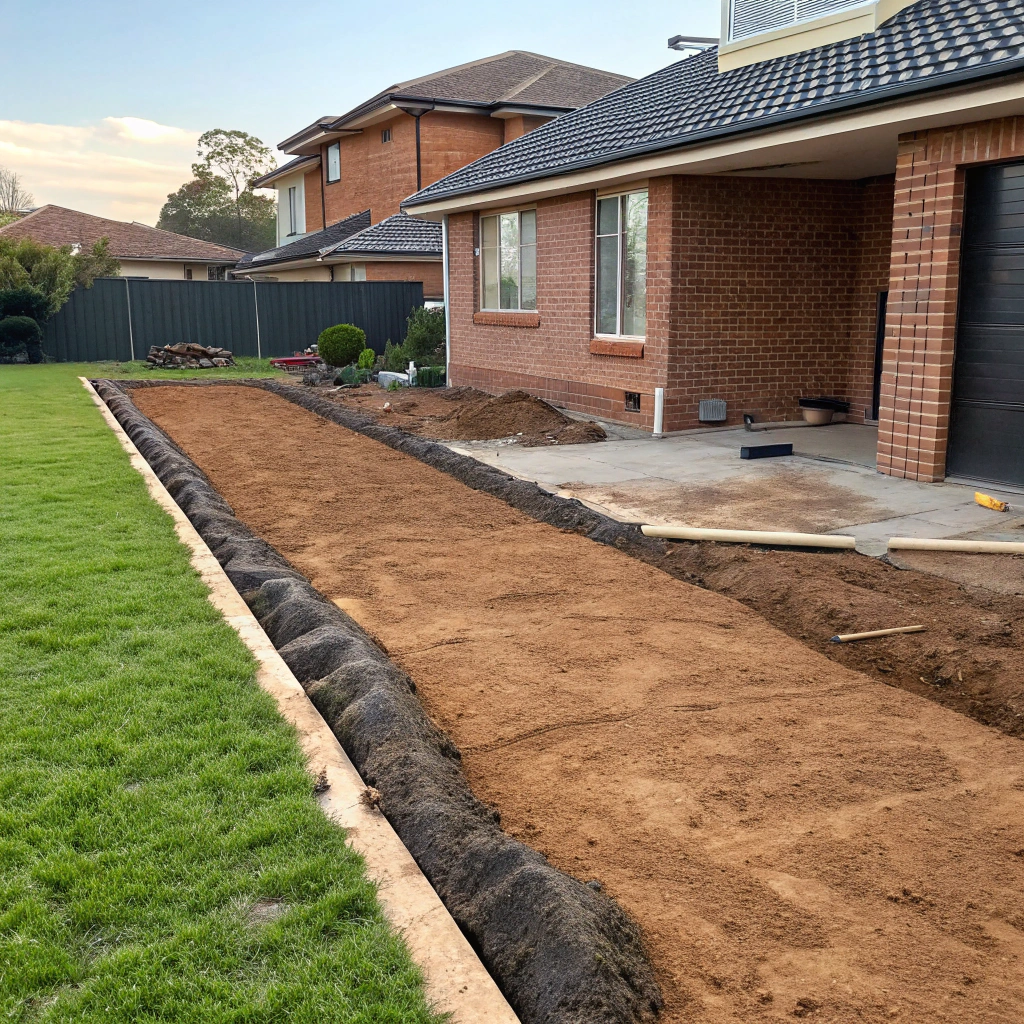
Inland suburbs like Figtree, Dapto, and Farmborough Heights sit on heavy clay. Clay retains water, compacts unevenly, and takes longer to dry out between rain events. These sites need deeper excavation and more compaction effort than the brief might suggest.
Closer to the coast — Thirroul, Bulli, Wollongong CBD — the soil behaves differently. Sandier base material drains faster but can shift more easily, so getting the compaction layer right still matters.
Then there's the climate. Wollongong's wet winters and persistent humidity mean scheduling your install around a dry weather window isn't just convenient — it's the difference between a base that sets properly and one that doesn't. A few dry days before and after install day makes a real difference to the finished result.
Tools You'll Need — and Which Ones to Just Hire
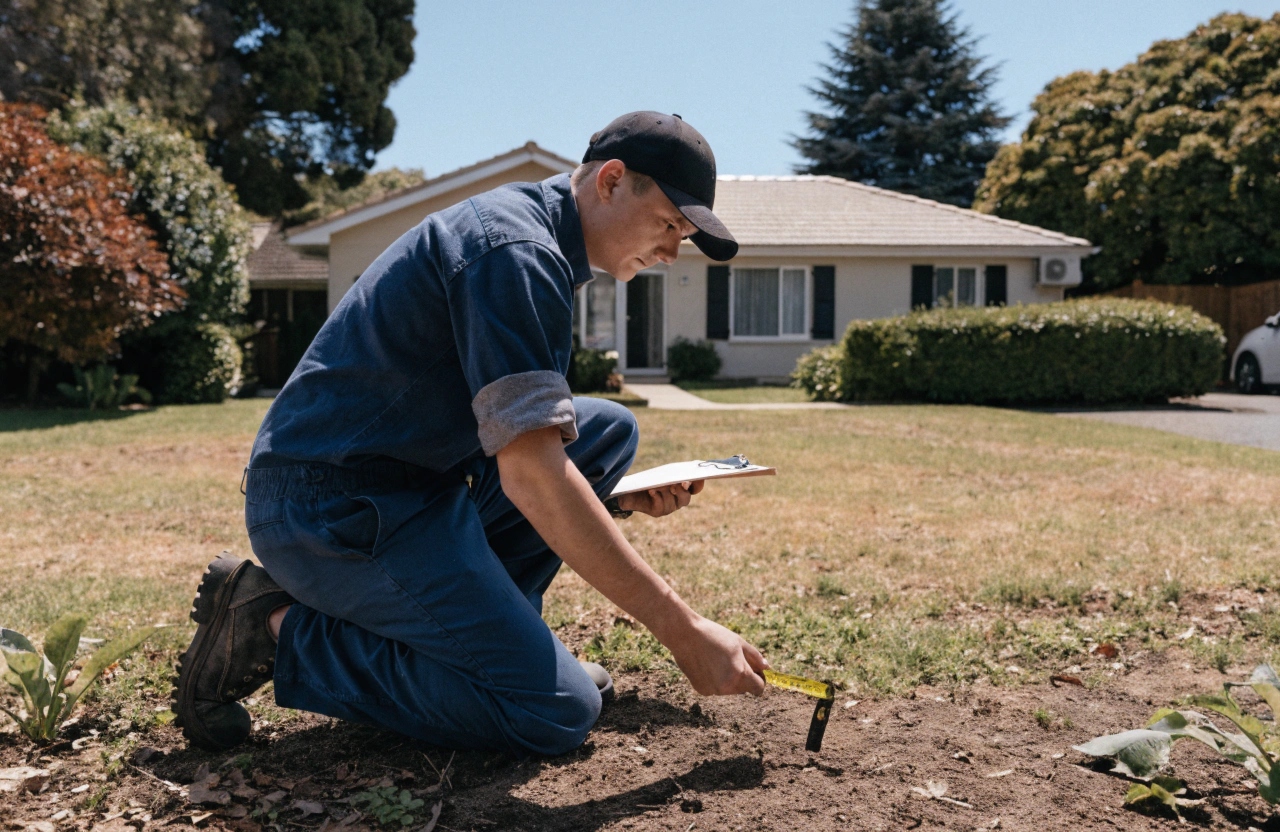
No tool should be a surprise on install day. Here's what to have ready before you start.
The plate compactor is the one most people underestimate — it's not optional for a base that performs. Hire one locally in Wollongong rather than trying to compact by hand.
The Hybrid Option: DIY Most of It, Get Help Where It Counts
Not every part of a synthetic grass install carries the same risk if it goes wrong.
Most homeowners are confident with the excavation, base prep, and rolling out the turf. Where things get tricky is the joins, the edge finishing, and getting the infill distributed evenly. These are the parts that show in the finished result — and the parts where a second set of experienced hands makes a real difference.
If that sounds like your situation, we can help with just those parts. It's not an all-or-nothing arrangement — do what you're comfortable with, and we'll step in where it counts.
Installation Guidance Included With Every Supply Order
Buying your supply kit from us isn't the same as ordering a turf roll online and figuring out the rest yourself.
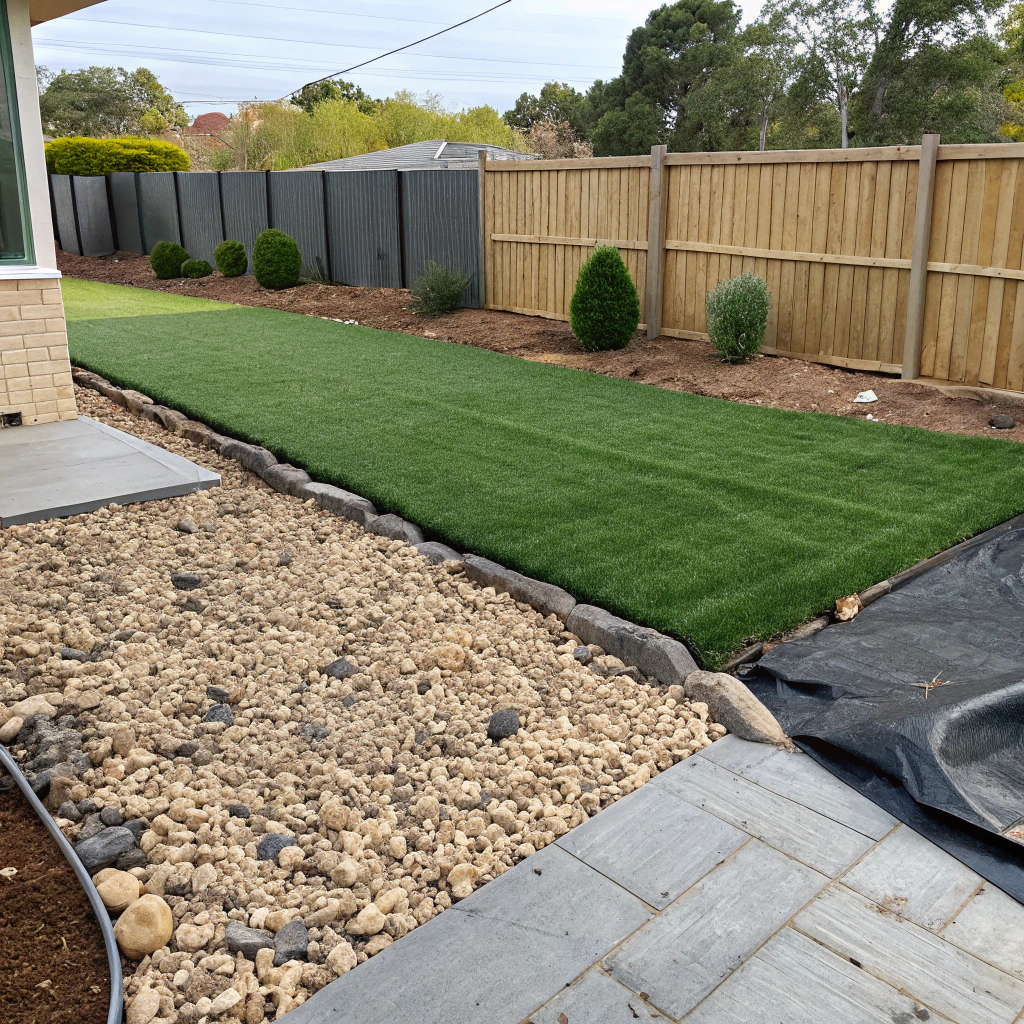
Every order we put together comes with a clear installation sequence, the key steps in the right order, and a heads-up on the mistakes we see most often. If something unexpected comes up mid-project — a drainage issue, an awkward join, a base that's not behaving — we're a phone call away.
That's what dealing with an installer-turned-supplier looks like. The product knowledge and the practical experience come as part of the package.
Frequently Asked Questions
Can I buy individual components without a full kit?
Absolutely. We can supply any individual component — underlay, adhesive, infill, fixings — without a full kit order.
How much extra should I order for wastage?
We recommend adding at least 10% to your measured area. Irregular shapes or spaces with tight corners may need a little more.
What infill do you recommend for pet areas?
Zeolite infill is what we recommend for pet areas. It neutralises odour far better than standard silica sand.
How deep should the base excavation be?
For most Wollongong properties we recommend 70–100mm. Clay-heavy suburbs like Figtree and Dapto often need the deeper end of that range.
Can I install synthetic grass over an existing hard surface?
Yes, in most cases. The prep process is different — no excavation required — but you'll still need the right underlay and adhesive for the surface.
What's the best time of year to install?
We recommend scheduling around a dry weather window. A few consecutive dry days before and after install day gives your base the best chance to set properly.
How do I choose the right product?
It comes down to use and foot traffic. We're happy to talk through the options with you before you order — call us or visit the showroom.
Ready to Start Your DIY Synthetic Grass Project?
Bring your measurements to our Wollongong showroom or give us a call — we'll make sure you order exactly what your project needs, nothing more and nothing less.
Three simple steps to get started:
- Bring your measurements or send us a photo
- Get your complete supply kit quoted
- Pick up or arrange delivery — and start your install
Call us: 0242026370